Body of Dust
是一項以身體、聲音、土地與痕跡為核心的當代藝實踐
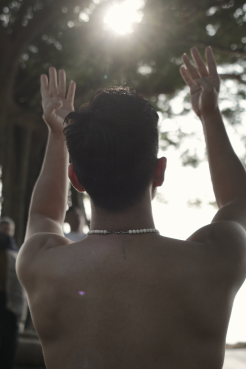
暫時懸置意識對動作的主導,降低對動作與畫面的控制
現場聲音開始介入、風、土地與環境本身的聲響,逐漸進入身體
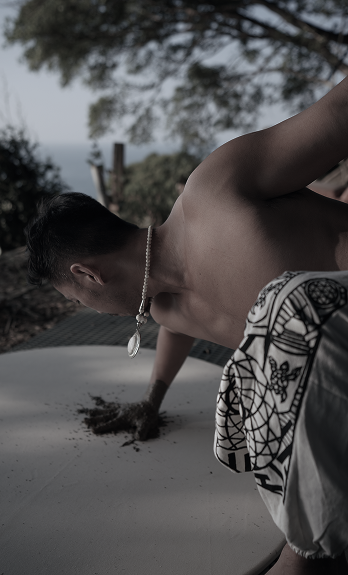
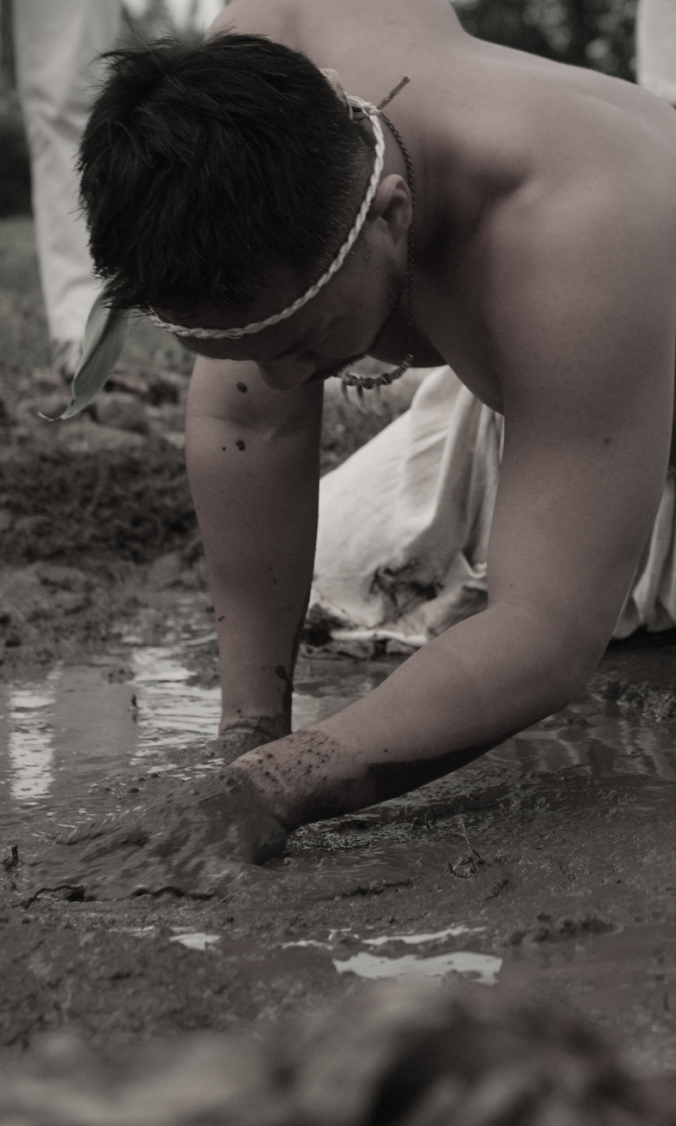
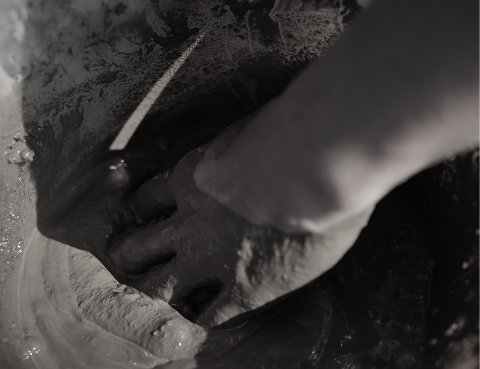
身體回應,泥土附著於皮膚
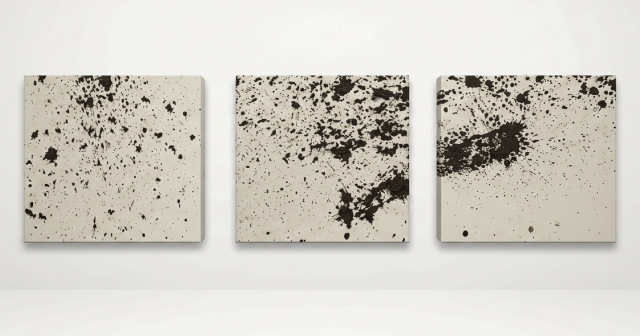
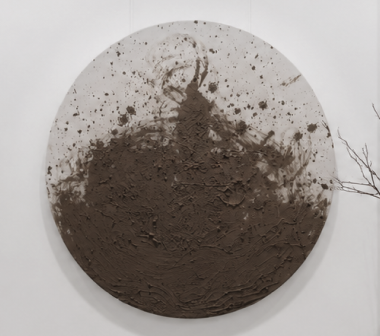
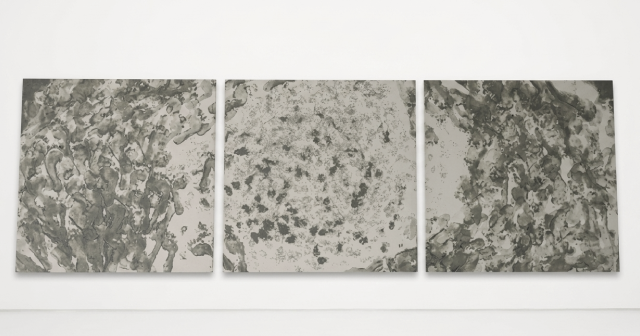
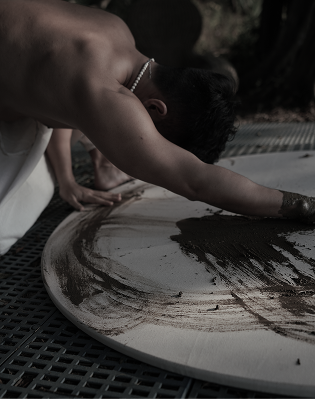
每一次跪伏、旋轉、推動、顫抖、停留,都在承載面上留下軌跡
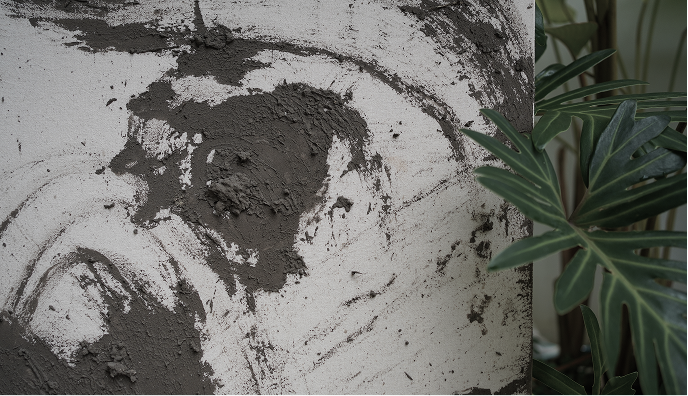
作品的形狀直到行動結束才真正出現
A contemporary artistic practice centered on the body, sound, land, and traces.
Temporarily suspending the conscious mind's control over movement, and reducing preconceived control over both action and image.
The sounds of the site begin to intervene—wind, earth, and the surrounding environment gradually entering the body.
The Body Responds, soil adheres to the skin.
Every kneeling, rotation, push, tremor, and moment of stillness leaves a trace upon the surface.
The form of the work does not fully emerge until the action has come to an end.
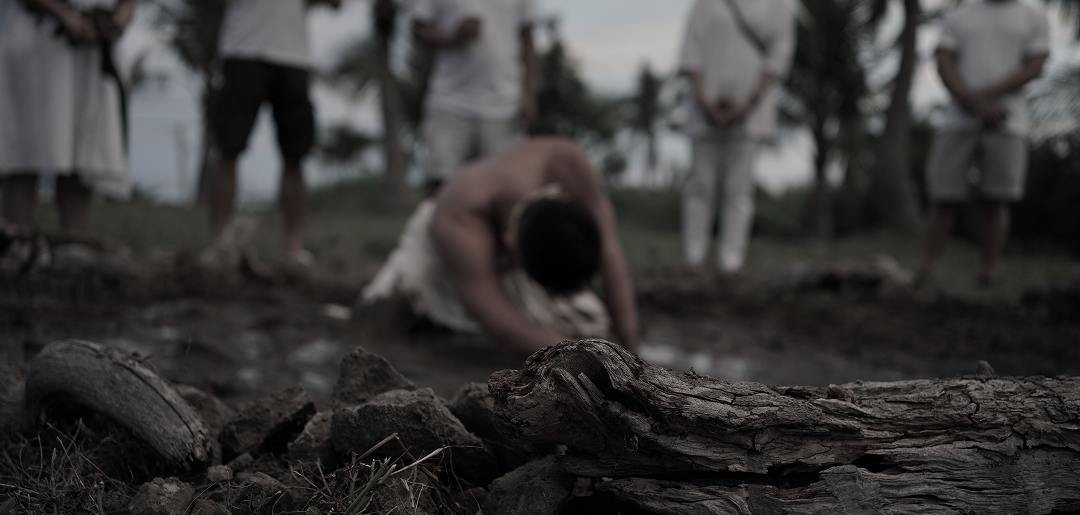
How the Body Becomes the Land's Brush
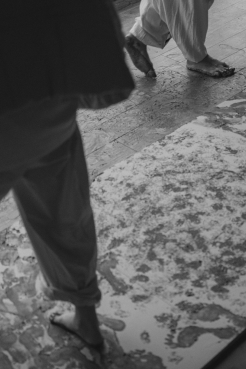
由泥土與身體共同留下的痕跡
轉化為可被保存、展示與收藏的實體作品
Imprints of earth and body, transformed into tangible works for preservation, exhibition, and collection.
From Sensation to Method
三者在一次特定時間與場域裡互相作用,最後留下不可重複的物質紀錄
The three interact within a specific time and site, ultimately leaving behind an unrepeatable material record.
Works
Installation & Performance Views
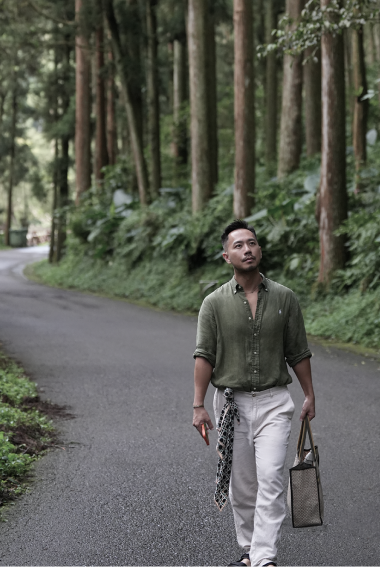
Artist
1988 · Kaohsiung, Taiwan
Steven Chiang 的創作實踐始於場域,並延伸至身體、土地、材質與儀式,他深切關注空間如何承載人的感知,探討個體如何透過身體與土地建立深刻的連結
他的作品不從空白畫布開始,而始於對土地的深度理解
透過場域、環境、記憶與時間的感知,讓聲音進入身體,由身體回應土地,使泥土隨著行動留下不可重複的痕跡,作品在身體、材料與場域的相互作用中生成,成為一段特定時間與場所的物質紀錄
《塵土之身》延續了這項實踐,將空間設計從「構築環境」推向「創造關係」
在這裡,空間不再僅僅是人活動的容器,更成為感知、記憶與土地關係得以發生的必要條件
Steven Chiang's artistic practice begins with the site and extends into the body, land, material, and ritual.
He explores how space holds human perception, and how people establish relationships with the land through the body.
His work does not begin with a blank canvas, but with an attempt to understand a piece of land.
Through an awareness of site, environment, memory, and time, sound enters the body, the body responds to the land, and the soil records an unrepeatable trace through movement.
The work eventually emerges through the intimate interaction of body, material, and site, becoming a tangible material record of a truly singular time and place.
Body of Dust extends this practice by shifting spatial design from constructing environments toward creating relationships.
Space serves not only as a container for human activity, but also as the condition through which perception, memory, and relationships with the land can emerge.